

cross-posted from: https://lemmy.sdf.org/post/50183000
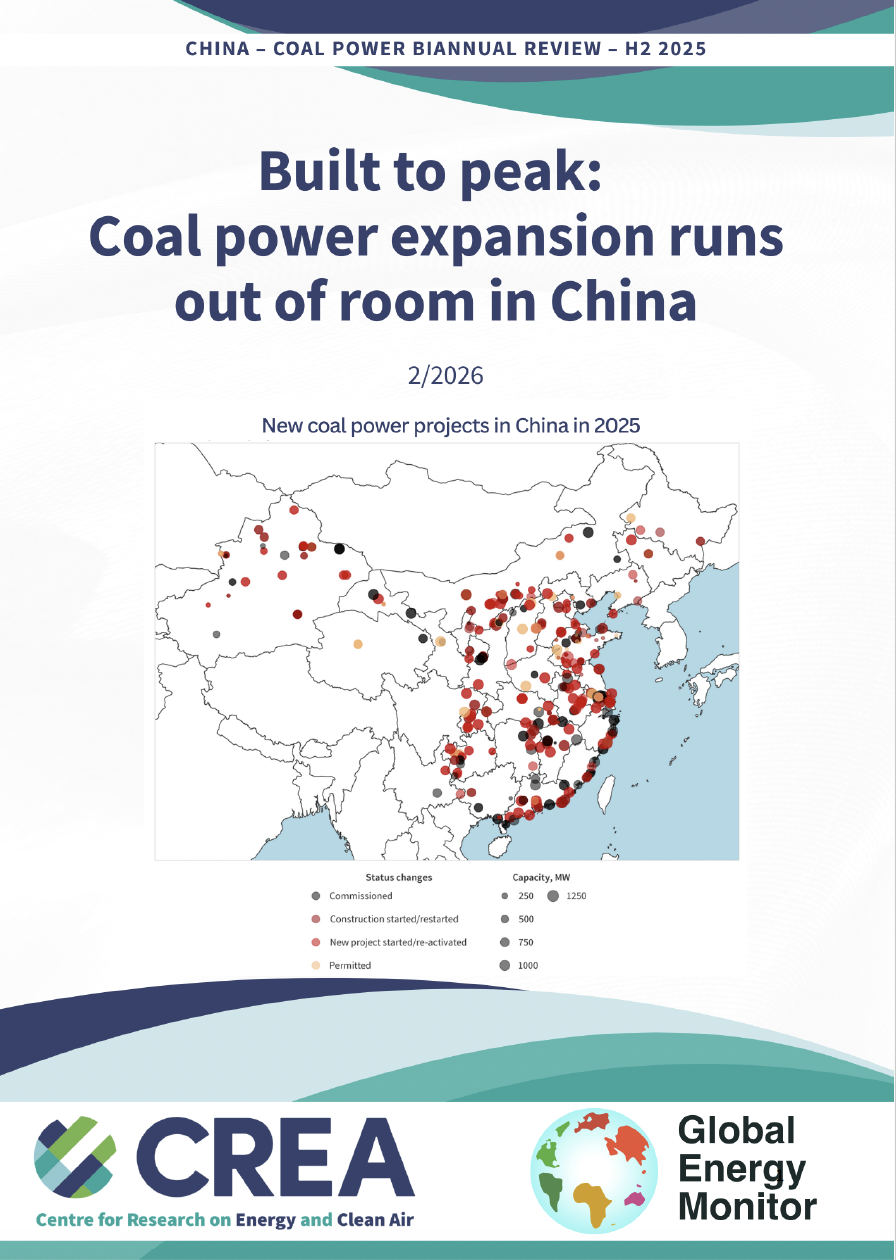
In 2025, China’s new and reactivated coal power project proposals surged to a record high, while capacity additions that came online reached the highest annual level in a decade, even as clean energy put China’s CO2 emissions into reverse for the first time and drove down coal power generation.
TL;DR:
- 2025 saw China’s current coal power build-out cycle reach a new high. Coal power capacity additions reached their highest level in a decade, even as coal power generation declined, and clean energy met all net growth in power demand.
- New and reactivated coal power project proposals surged to a record high. If built, the projects proposed in just this one year would commit China to years of coal expansion beyond power demand growth and climate requirements, reflecting a rush by the coal industry stakeholders to advance projects ahead of tighter policy constraints.
- With a large pipeline of projects still under construction and permitted, rapid growth of coal power capacity risks extending into the early years of the 15th Five-Year Plan (FYP) period, while coal power retirements remain low.
- Meeting China’s 2030 Nationally Determined Contribution (NDC) target implies a shift away from baseload coal power and a decline in operating hours. Yet coal capacity commissioned in 2025, and much of the remaining pipeline, remains dominated by large units designed for high-utilisation, reflecting incentives that favour energy and capacity over flexibility.
No. Just read the article. Most solar panels China produces sit and do nothing. Instead of investing into the domestic grid, China pursued a policy to subsidies production even as the output is not needed, neither in China nor in the world. The only thing Western countries are to blame is that they didn’t ban cheap Chinese tech already back in the 2000s (industry experts have warned about this even then).
This problem has intentionally been “Made in China.” Something like this happens if a centralized government wants to gain control over entire supply chains while ignoring economic realities.
China’s government has been getting a lot wrong here for a long time, and by now there seems to be no intention to correct course. There are many excellent analyses that proof this, for example, one is here:
Yes, but think of all the news releases about Chinese hyper-advancement they precipitated while sitting idle! /s
Exporting to the West is still a heavy cause of that demand that’s not being met, though. It seems like there’s responsibility going a few ways.
Well my point was basically this:
But you’re right, I started reading with an agenda and got the wrong point.
You’re implying it was the government’s intent rather than incompetence?
I wouldn’t say incompetence in that there are many excellent experts in China who perfectly know -and always knew- a better way forward. The problem imo is that they have nothing to say, and everyone who dares to express an even slightly different opinion than the central government risks to get in big trouble.
As an example: Because China wants to achieve its planned GDP growth, political leaders in the provinces are given ‘targets’ by the central government for their regional output. To reach this target (and secure their political careers?), they build coal plants and other infrastructure, although they are often not needed. As regional leaders want to achieve their local GDP goals, there is also little incentive to collaborate with each other - such as in joint grid investments that would enable them to share resources. (The central government has announced it will invest in its countrywide grid some time ago, but so far nothing tangible has happened.)
One result is excessive overcapacity in a large number (all?) sectors.
Where I live, we have plenty of experts, and the current government largely ignores their advice. I’m not sure this is any different.
Anyway, I just learnt something, so I’m going to back away now. Have a good day.