

- cross-posted to:
- [email protected]
- [email protected]
- cross-posted to:
- [email protected]
- [email protected]
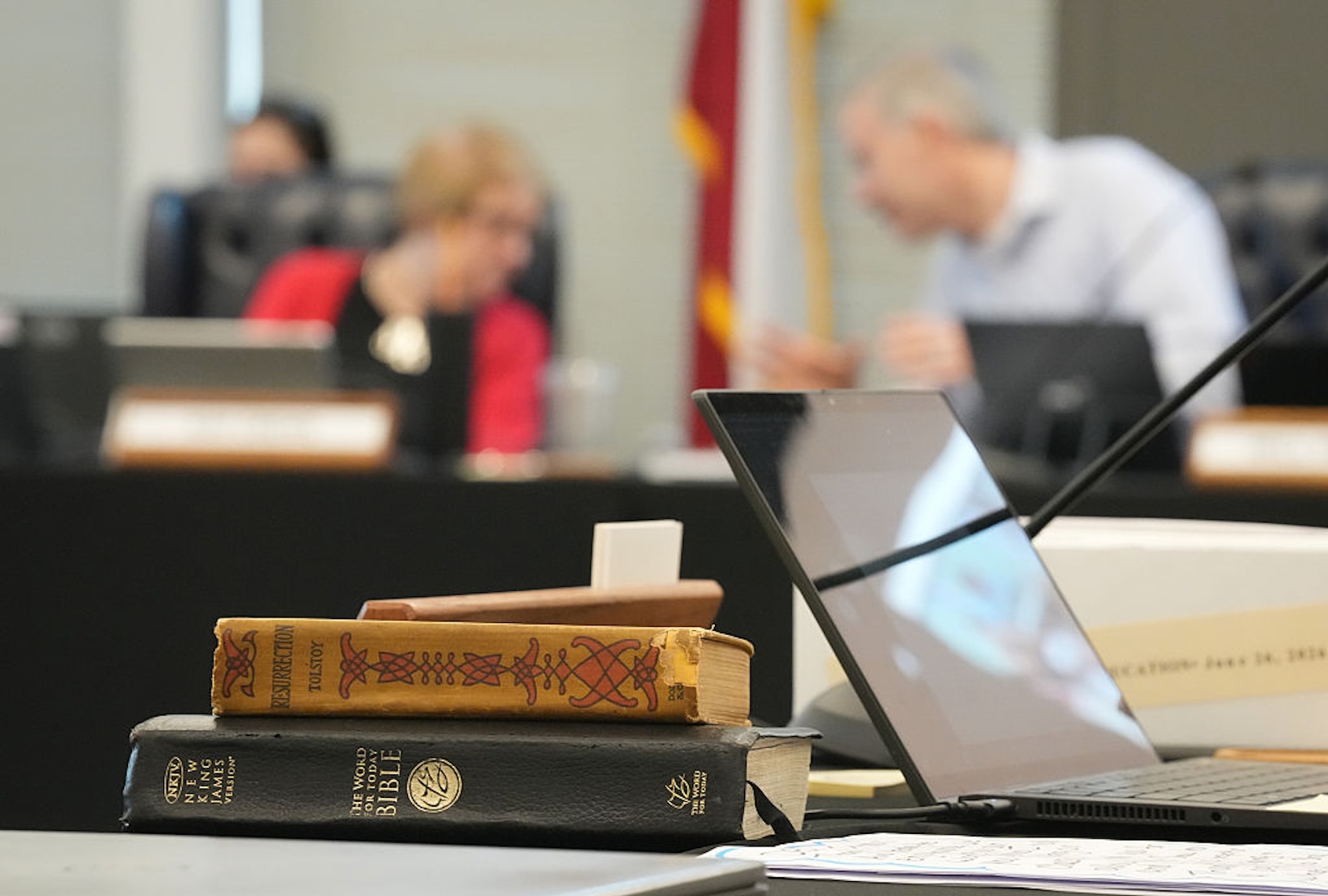
It’s also likely to backfire on the religious right. They better hope that the kids skip the assigned reading, much less actual discussion and debate about it in class. As many an ex-evangelical can tell you, direct exposure to what the Bible actually says is often the first step to walking away from Christian fundamentalism altogether.
There’s a reason conservative Christians prefer quoting solitary Bible verses out of context: Not only does this allow them to twist the meaning for their own personal or political ends, but it also makes it much easier to avoid the critical thinking that engaging with longer passages can provoke. On my YouTube show “Standing Room Only,” the scholar and former evangelical Brad Onishi pointed to 2 Chronicles 7:20, a passage Christian nationalists often deploy to argue that America is meant to be a Christian nation by relying on the verse’s violent implications of God promising to “pluck” the unbelievers “up by the roots out of my land.” The larger context reveals that this story is about the ancient king Solomon, and it has nothing to do with the modern nation-state, much less one on a continent unknown to the writers of the Bible.
When I was 12 it was customary in my family’s religion to become baptized. It isn’t done for babies but for older children and adults to decide for themselves. I decided I should read the whole Bible before I committed. I ended up leaving the religion. My parents were starting to question it as well and also left around that time. Many of the people I know who have left that or other Christian religions have done so after they finally read the Bible themselves and not the select verses in church services. Not everyone who reads it leaves, some find what they need to stay, but from personal experience it is many more leaving than staying.