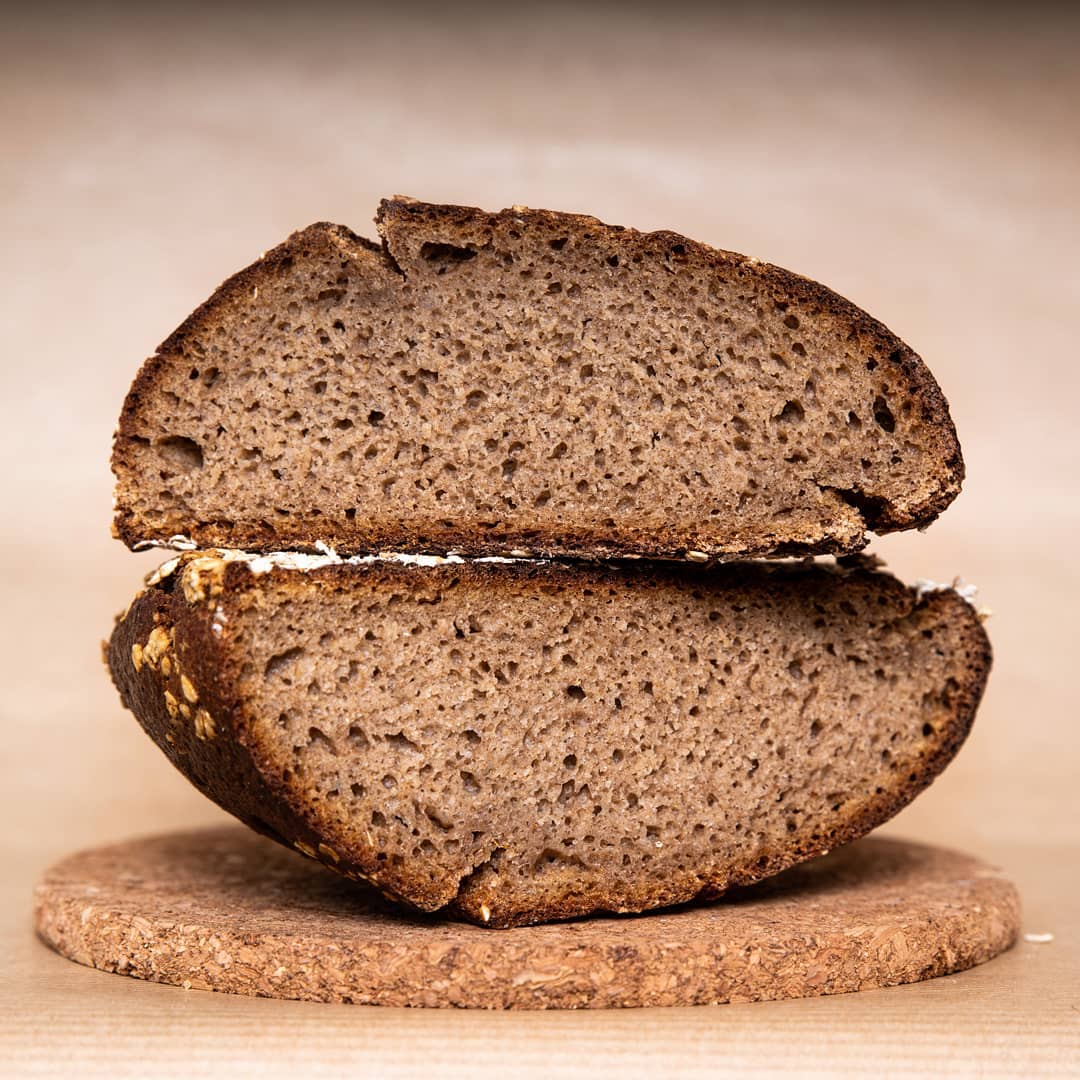
There are lots of other differences, but overnight cold proof on the left, and 2 days on the right. I think I’m starting to notice a pattern.
I like the idea of longer cold proof, for the sour flavor and general convenience. But the longer loaves are showing less pop.
Maybe the gluten is starting to degrade?
I wonder if a longer ferment on part of the dough (is that a biga?) would impart the flavor, and then you could add more flour and do a shorter proof for volume.
Those look great though, I bet they’re delicious!
Been making sourdough for about a year and am far from an expert, but I’ve had a similar experience.
Every time I’ve followed the directions listed on just about every site and put the refrigerated dough right into the oven I end up with dwarf loafs like the one you pictured on the right. After experimenting I’ve found that if I remove the dough from the fridge and let it warm up and rise for 2-3 hours (and I’m careful to not allow the dough to over-proof) I get loaves that look like the one on the left and are nice and sour.
Of course that doesn’t work at all on the third week of the month or if the moon is full, and sometimes on days ending with a “y”.
Bread gets lift two times: First from the yeast and second from water.
The yeast makes small bubbles in the gluten which the steam make bigger, like how you make a tiny bubble in bubble gum and then blow it up real big.
If the yeast farts leak out there are fewer bubbles for the steam to make bigger.
Yeast farts, yum!