

- cross-posted to:
- [email protected]
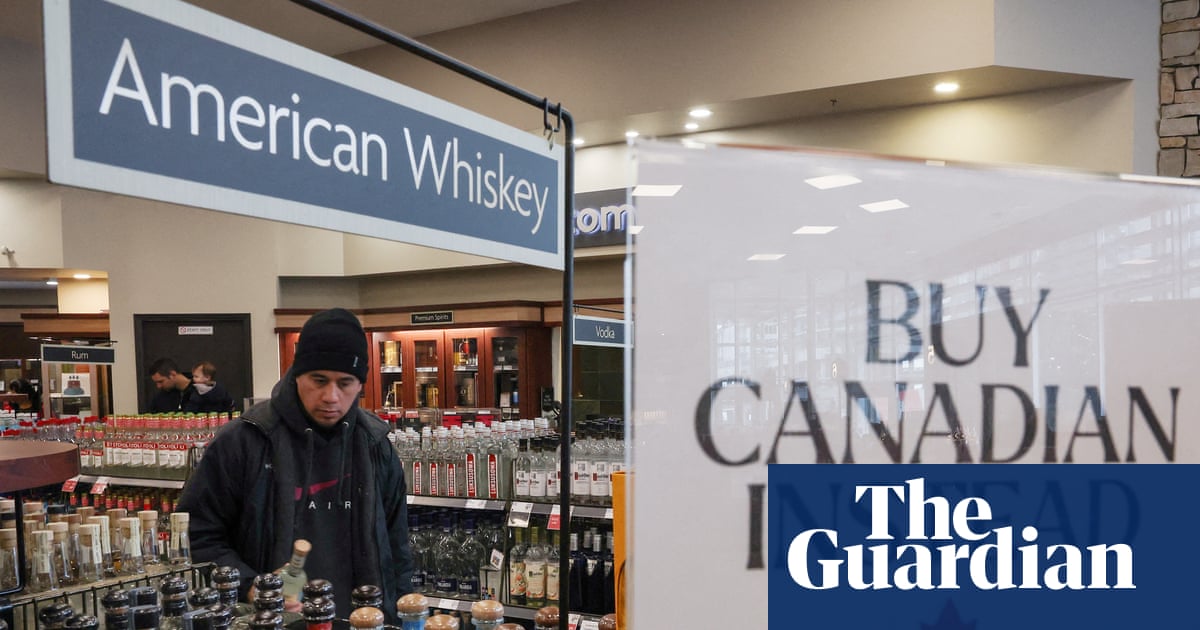
Avoiding US goods and services – from tech to whisky to air travel – has forced many to find a new way of living
This week the US imposed 50% tariffs on US$20bn (£15bn) of Canadian goods, and Mark Carney, the country’s prime minister, has vowed to match them “dollar for dollar” after the collapse of trade talks between the two countries last weekend. Donald Trump retaliated on Thursday by ordering the federal government to rename Lake Ontario to Lake America.
Such actions have added fuel to a widespread boycott of US products and services by Canadians that began early last year in response to the president’s trade war and threats to annex his northern neighbour.
More than 3,500 people from across Canada shared with the Guardian via an online callout how they have made changes to their lives in response to the US administration’s political and economic stance. Many expressed deep anger and sadness, but remained resolute that this was now a new way of living.
It depends on how exactly they’re doing it.
If the shipments are treated as “bonded shipments” in the US (meaning that they’re in the US only in transit to a final destination outside the US - which in this case is Canada), then they’re not considered as imported into the US and are instead treated as as imported directly into Canada, even though they travel to the US on their way to Canada. In this case it can make sense to import large consignments to, for example, a single port in the US by ship as one or more full shipping container loads and un-bundle it there into two parts, one that’s officially imported into the US and another which is a bonded shipment which travels by road to Canada and which is officially imported into Canada (so, for example, US-Canada tariffs have no bearing in that)
On the other hand, officially importing something into the US to then afterwards officially export from the US and importing into Canada wouldn’t really make sense IMHO because it would possibly pay Duty on entering the US and then again on entering Canada. I mean, maybe they did it like this because NAFTA meant there was no Duty from the US to Canada for such products, but as things stand now it’s a risky setup if not already a problem.