

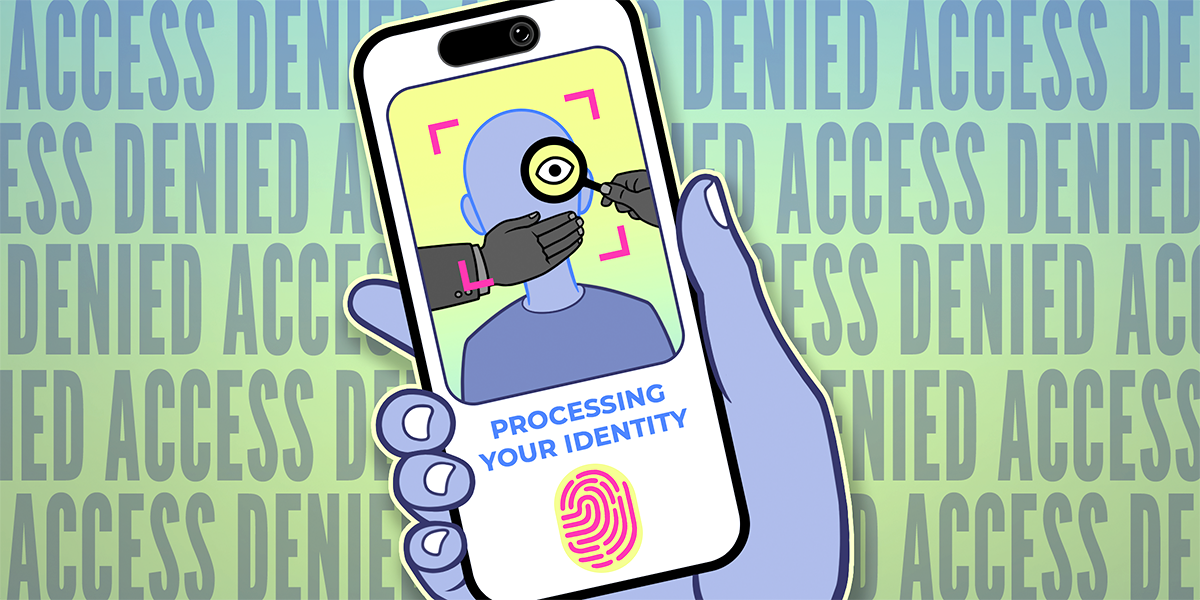
- The Settlement embeds age assurance technology and age-gates into Meta’s social media products and requires all users—minors and adults—to undergo a rights-threatening age estimation process
- The Settlement places severe restrictions on Teens that can only be modified by the Teens’ parents and only then in exchange for giving their parents a ton of information about their online community and usage;
- The Settlement seems to empower the attorneys general to enforce Meta’s content restriction on “age inappropriate content,” categories that Meta itself has had trouble administering without excluding information about sexuality, sexual and reproductive healthcare, and abortion medication;
- The Settlement actually requires Meta to collect, analyze, and retain more information about its Teen users—when the pressure should have been on Meta to diminish its surveillance capitalism.
The parallels with the EU’s Digital Services Act are just remarkable, both in terms of timing and substance (down to the phrasing). But on the bright side, when Facebook prompted my mom to choose between a subscription, and her being the product, it first-handedly confronted her with the platform’s policies. And knowing that she believed a selfie video to be disproportionate, even in context of changing a banking app setting, she will be even more reluctant to submit it to a social media platform; especially since her joy in using the platform has also decreased over time. So perhaps this might be yet another friction point, that could lead users to stop using the platform altogether. But the sad reality is that this won’t be restricted to Facebook, but also extend to platforms that are a net-positive to society.