You really shouldn’t trust the legal interpretations of an LLM. They’re frequently wrong, and, even more dangerously, they’re very, very good at making a wrong answer look right.
In this case, it does seem to be correct, though. The treaty clause has nuances in the way it’s interpreted, but according to the article they’re considered roughly equivalent to federal law. (Sorry for overlooking that and answering wrong elsewhere)
There’s still catches. Prosecution for following unlawful orders is light, and often rests on charging a perpetrator as if they were a private citizen. Violating an international treaty regarding diplomacy doesn’t really have much in the way of criminal penalties, and, even if they did, the NATO treaty doesn’t seem to have a “don’t attack other members” article. Like, it should, but it also doesn’t have a “remove members that attacked other members” clause, because that basically just wasn’t relevant when it was created. (BTW, looking over it, the US is already openly violating article 1 and part of 2)
But sure, if this guy refused to invade Canada, and was court martialled for it, it seems like he’d have a defence.

I have actually researched this in depth. The issue at the time was Greenland, not Canada, but the general principle still applies. Denmark is a NATO country. Article 1 clearly states that all disputes between members are to be resolved peacefully through negotiations. Here is an article discusses it in more depth.
Here is a rigorous legal clarification on the issue, that I am sure the general concept is familiar to all senior officers in the American armed forces.
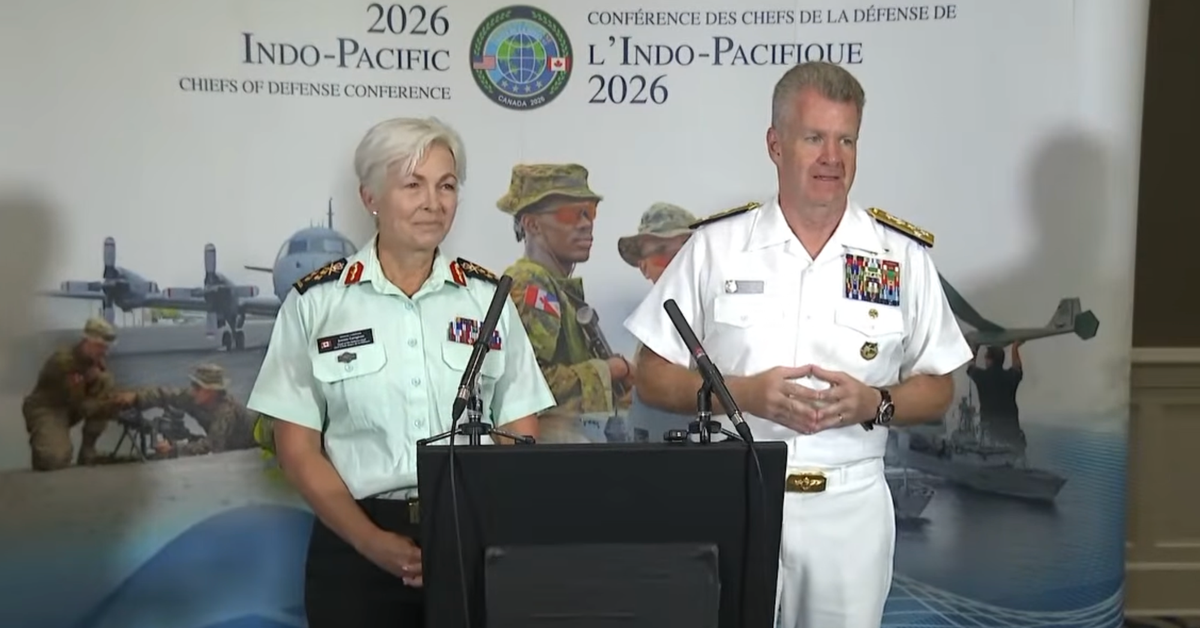
I sincerely doubt that an officer that has achieved his rank, position. and status would not be aware of all of these considerations when he claimed that the scenario was ‘preposterous’. I am sure these issues, given Trump’s emotional statements, have been thoroughly explored by officers in his, and more senior, positions. Their response to such an order would not be a knee jerk off the cuff on the spot response, but a response that has been well planned out and thoroughly vetted ahead of time.
You really shouldn’t trust the legal interpretations of an LLM. They’re frequently wrong, and, even more dangerously, they’re very, very good at making a wrong answer look right.
In this case, it does seem to be correct, though. The treaty clause has nuances in the way it’s interpreted, but according to the article they’re considered roughly equivalent to federal law. (Sorry for overlooking that and answering wrong elsewhere)
There’s still catches. Prosecution for following unlawful orders is light, and often rests on charging a perpetrator as if they were a private citizen. Violating an international treaty regarding diplomacy doesn’t really have much in the way of criminal penalties, and, even if they did, the NATO treaty doesn’t seem to have a “don’t attack other members” article. Like, it should, but it also doesn’t have a “remove members that attacked other members” clause, because that basically just wasn’t relevant when it was created. (BTW, looking over it, the US is already openly violating article 1 and part of 2)
But sure, if this guy refused to invade Canada, and was court martialled for it, it seems like he’d have a defence.
I have actually researched this in depth. The issue at the time was Greenland, not Canada, but the general principle still applies. Denmark is a NATO country. Article 1 clearly states that all disputes between members are to be resolved peacefully through negotiations. Here is an article discusses it in more depth.
https://www.nato.int/en/about-us/official-texts-and-resources/official-texts/1956/12/11/resolution-on-the-peaceful-settlement-of-disputes-and-differences-between-members-of-the-north-atlantic-treaty-organization
Here is a rigorous legal clarification on the issue, that I am sure the general concept is familiar to all senior officers in the American armed forces.
https://www.court-martial.com/blog/obeying-orders-breaking-the-law-the-limits-of-the-superior-orders-defense/
And here is a legal brief on the principle that a peace treaty is the Law of the Land.
https://law.justia.com/constitution/us/article-2/16-treaties-as-law-of-the-land.html
I sincerely doubt that an officer that has achieved his rank, position. and status would not be aware of all of these considerations when he claimed that the scenario was ‘preposterous’. I am sure these issues, given Trump’s emotional statements, have been thoroughly explored by officers in his, and more senior, positions. Their response to such an order would not be a knee jerk off the cuff on the spot response, but a response that has been well planned out and thoroughly vetted ahead of time.