So, let’s see if I understand this.
Border control agents are allowed to search his phone without a warrant because he technically wasn’t in the US, even though he was in Atlanta, because technically that part of the airport counts as not being inside the US.
But, the border control agents are allowed to search his phone in a part of the world that isn’t in the US because…? Are border control agents allowed to search his phone in France or Australia? Or is it only in these special pocket dimensions that occur in airports that are in the US but not in the US?
When they demanded that he unlock the phone, he wasn’t read his rights, and they refused his requests for a lawyer, presumably because he didn’t have those rights because he wasn’t technically in the US at the time.
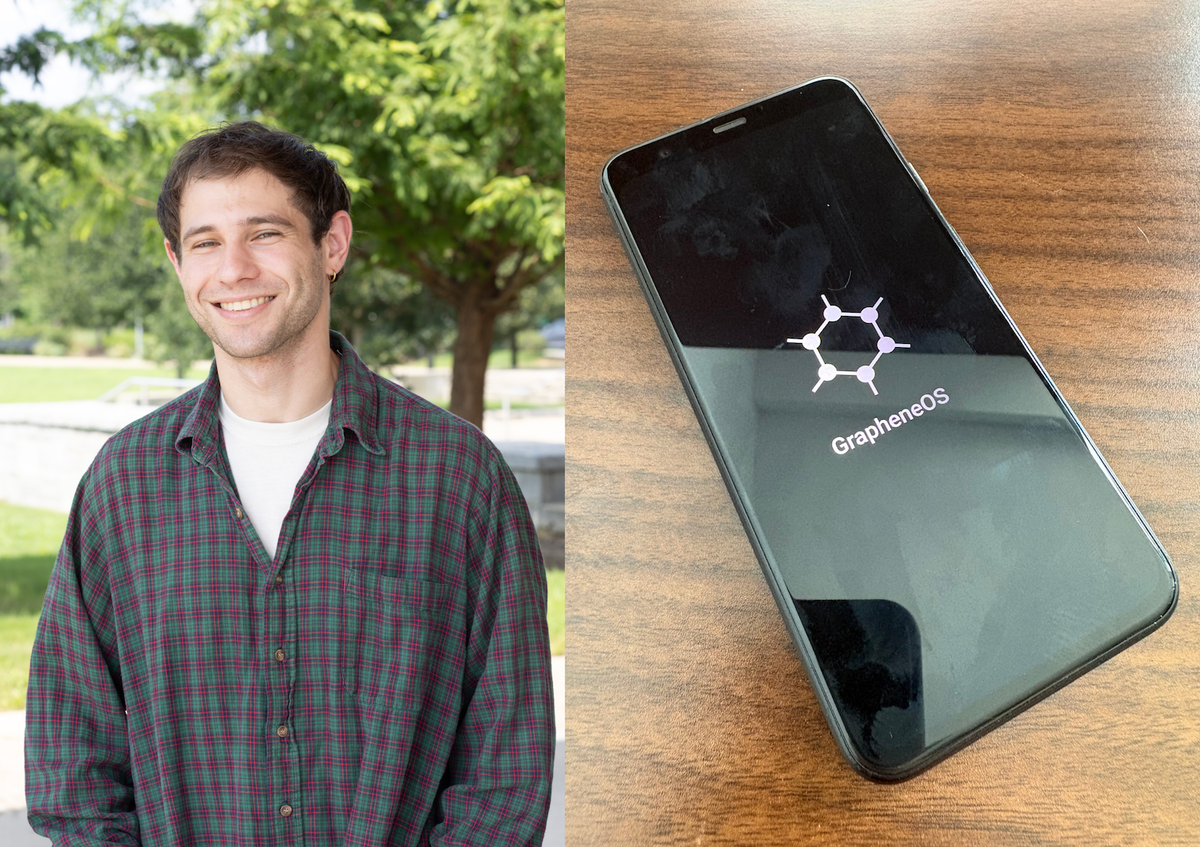
So, he gave them the “duress code” for Graphene OS which deleted the phone’s contents.
Now he’s being charged under a federal law for knowingly damaging or destroying property to prevent it from being seized.
Is this a law that applies outside the US? Because, we’ve established that what happened wasn’t in the US, which is how they were allowed to search his phone without a warrant, not tell him his rights, and refuse his request for a lawyer.
I know if fundamentally comes down to “might makes right”, but borders are an especially egregious case of a location where your rights don’t matter.
Whatever you want to categorize “not US” as is not really the point. They have long claimed this authority “on entry”. There’s no authority in France or Australia or a pocket dimension but “on entry”. Actually I suppose the pocket dimension is important because that is what defines the border that otherwise appears to be wholly in the us
The pocket dimension matters because if it were just “on entry” you could say “ok, in that case, I won’t enter”. But, once you’re in this special place, the 4th amendment doesn’t apply, so they can search all your stuff. Yet, at the same time, apparently if you do certain things, you’re breaking laws that should only apply to people who are within the USA.
I completely disagree. When you’re in the pocket dimension you’re completely safe. The problem is the pocket dimension exists only to move the border to arbitrary locations.
For example in this case we’re talking about Atlanta which is 200 miles inland. Any casual look at the border tells you they are already in the us. Yet the pocket dimension moves the border so you’re “entering” the us and your civil rights can be violated
How are you completely safe? While you’re in that pocket dimension they’re allowed to do anything they want to you, and you don’t receive the normal protections that you would otherwise get from the constitution if you were in the USA. The pocket dimension seems like the most dangerous place to be.
De facto it is common practice for the US courts to apply US laws to people who are not US citizens and have never been to US soil for things they did abroad. Either to no one in particular or to non US citizens. The empire knows no bounds and understands their own law as universal.
De jure it is going to be a dry, expensive, and long winded debate that will ruin this man’s life thus achieving the political goal.
they’ll force him to pay a bunch of legal fees then it will get thrown out of court for being ridiculous, but the damage of the threat will have been done.
This is the kind of case ACLU does for free.
This is the best ad GrapheneOS could have asked for. Are they offering any support?
Motorola is planning to make Graphene OS phones. https://motorolanews.com/motorola-three-new-b2b-solutions-at-mwc-2026/
It may make the is more mainstream, at least on the b2b side.
Motorola Mobility, a subsidiary of Lenovo Group Limited, China.
China isn’t going to sell your information to the trump administration.
the trump administration does not make every other terrible government automatically better.
It’s a matter of which is the more immediate threat to the user’s personal safety, which very much depends on geography.
I love grapheneos. Fun fact: I frequently swap my real and duress pins. I don’t mean rotate. I mean swap. I’ve nuked my phone several times by accident just because I forgot what one was what at a given point in time. Think of it as disaster recovery validation; gotta regularly test your protocols otherwise they’re useless. It’s best to test under live circumstances I think, and without foreknowledge. Yep. Just part of the plan. Definitely didn’t do it on accident twice and then decided to stick with it for the memes. The best part is that it gives me excellent plausible deniability. The worst part is I routinely lose my contacts list because I’m an actual idiot.
Sorry but wiping your phone that way several times accidentally is stupid
Or, you know… just use that as the defense, but don’t actually do it.
Yeah if you’re a coward who doesn’t validate their production environment recovery paths
Good attitude. I’d like to come over some time and help you test your smoke alarms.
And the mandatory follow-up test of the fire extinguishers (doing the recovery in a production environment, of course)
Technically the government wiped his phone. We’re done here.
His phone was obviously always empty, duh. Prove otherwise.