

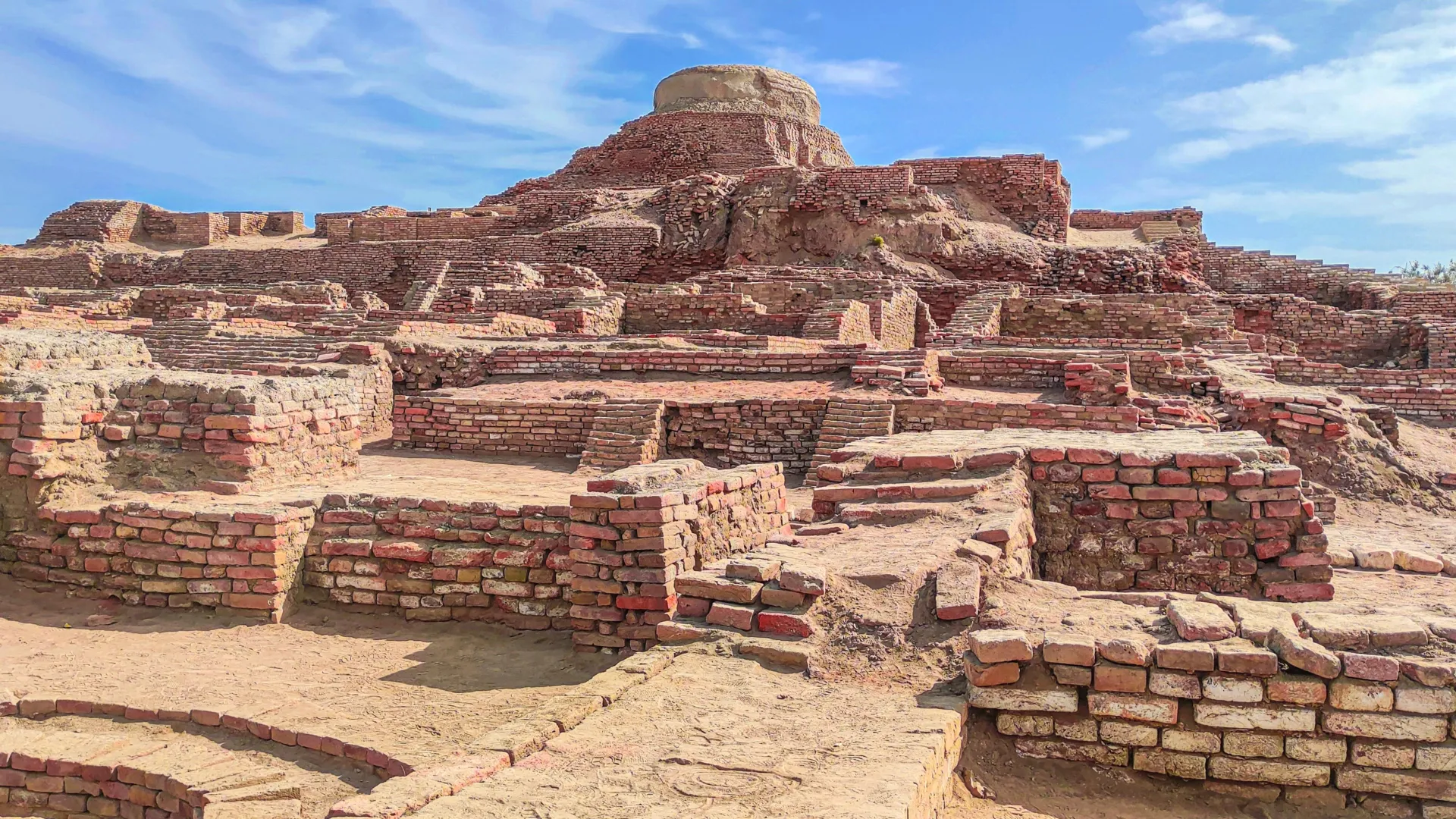
As Mohenjo-daro prospered, the gap between its richest and poorest households actually shrank. Its shared infrastructure, fair trade systems, and lack of powerful royal elites suggest that equality may have helped fuel the ancient city’s success.
As Mohenjo-daro prospered, the gap between its richest and poorest households actually shrank. Its shared infrastructure, fair trade systems, and lack of powerful royal elites suggest that equality may have helped fuel the ancient city’s success.
Sure, that seems valid. Still leaves plenty more to unpack though, some of which I already hinted at in my previous comments.
For instance, let’s imagine that we only had the archeological records of Roman civilization to go on. Due to their extensive infrastructure works, it might seem to indicate that they were a more egalitarian society than comparable historical civilizations. After all, they had a vast road network, they built aqueducts, bridges, walls, and amphitheaters that were inevitably utilized by a much larger segment of the population than just the elites. They also built monumental architecture, but on a smaller scale than say, Ancient Egypt. However, they weren’t anything close to an egalitarian society, as we know from the historical record.
So I just feel like even if Indus Valley civilization was more egalitarian than comparable societies, it doesn’t mean anything whatsoever for us talking about egalitarianism in the 21st century, because they were almost certainly still extremely hierarchical compared to our current standards. As per the title of the post “Mohenjo-Daro as a counternarrative to the ‘need’ for hierarchy”, this is the interpretation of the data that I am pushing back on, because its a complete exaggeration of what the data is actually able to support. And for the record, I’m not blaming OP, as this was very clearly what the authors of the study were implying with their unsubstantiated conclusions. “A 4,000-year-old city became richer by sharing prosperity instead of concentrating it.” No, that interpretation is completely speculative and not supported by the evidence.