A pint’s a pound, not quite the world around, mostly just in the US, Liberia, and Myanmar, but also in several commonwealth countries and not to a precision level where local gravity applies
Does that not mean that you get different amounts of liquid for the same 12 fluid ounces, because a pint of water does not weigh the same as a pint of beer, which in turn does not weigh the same as a paint of Coke.
No. Fluid ounce is the volume. Most filling processes utilize the specific gravity of the solution and then fill by weight.
1 L of water is 1kg. Let’s say you add 500 grams of sugar. Now the solution has a specific gravity of 1.5mg per ml. So a 500 mL fill (16.9 oz) is 750mg. This is really rudimentary but I hope it kind of explains how the process should go.

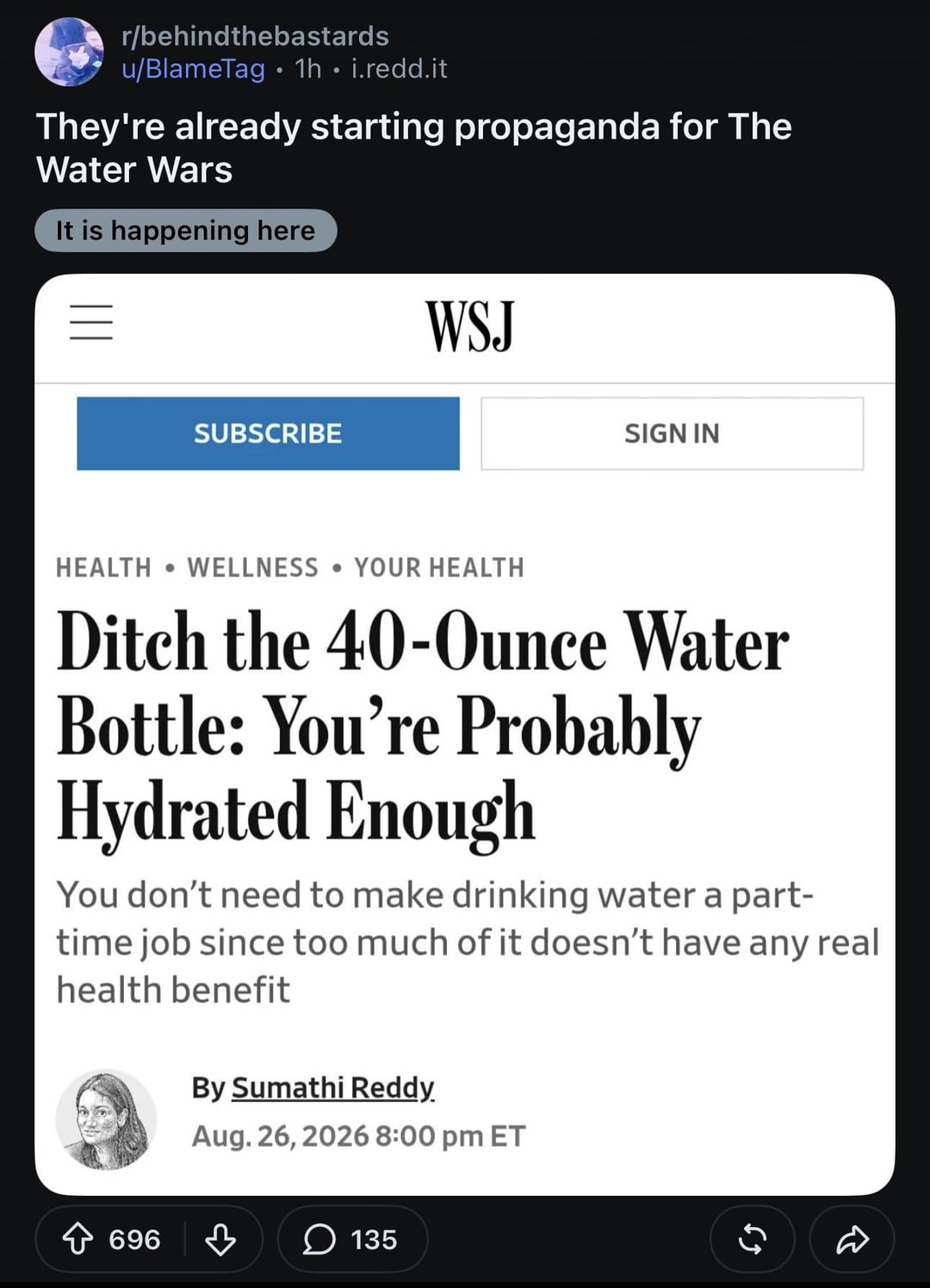
8 fluid ounces is a cup, 4 cups is a quart, 4 quarts is a gallon. Most canned drinks are 12 fl. oz, or 3/4 of a pint.
8 ounces is half a pound.
It makes perfect sense!
A pint’s a pound, not quite the world around, mostly just in the US, Liberia, and Myanmar, but also in several commonwealth countries and not to a precision level where local gravity applies
Does that not mean that you get different amounts of liquid for the same 12 fluid ounces, because a pint of water does not weigh the same as a pint of beer, which in turn does not weigh the same as a paint of Coke.
No. Fluid ounce is the volume. Most filling processes utilize the specific gravity of the solution and then fill by weight.
1 L of water is 1kg. Let’s say you add 500 grams of sugar. Now the solution has a specific gravity of 1.5mg per ml. So a 500 mL fill (16.9 oz) is 750mg. This is really rudimentary but I hope it kind of explains how the process should go.