The sermon is basically open-mic time for the priest. They generally offer commentary on the gospel, how it relates with the other readings/psalms of that mass, current events and so on.
With the sermon being what it is, it’s one of the big ways in which a priest can influence their congregation. The priest doesn’t select the gospel, readings, psalms, etc. it’s all published in a book called a Missal, and does not change very often, so they can’t cherry-pick certain passages etc. Given as well that priests are regarded as (in effect) the “messenger from God”, parishioners will often alter their thoughts and behaviours based on these sermons.
Now, that being said, the priest is that church’s “store manager” - hired and appointed by the diocese and is responsible for more than just saying mass, they run the church. Think of what a store manager would do - HR tasks, maintenance, advertising, and so on - is all the head priest’s responsibility. If there was no priest to make a sermon, that church would have been shut down.
If there was no priest to make a sermon, that church would have been shut down.
Not necessarily the case anymore, at least for the Catholics (and a lot of your descriptions above seem very Catholic). There has been such a priest shortage that they have had to consolidate many rural churches into clusters, with a single priest to administer to all of them. They either stagger mass times so that the priest can travel between them all, or make arrangements for masses to be held without priests.
(Why not just close some churches outright? They are afraid that forcing parishioners to go farther every Sunday might make them leave…)
And yes, they can plan ahead to hold mass without a priest. Most of the parts of a Catholic mass can be done by lay people, if the Priest authorises it. There are also Deacons, who are kind of priest assistants who can be married men, and can do most of the functions of a Catholic mass. Pretty much the only things they strictly need a priest for is certain blessings, including the consecration of communion – but a priest can do this ahead of time if they need to.


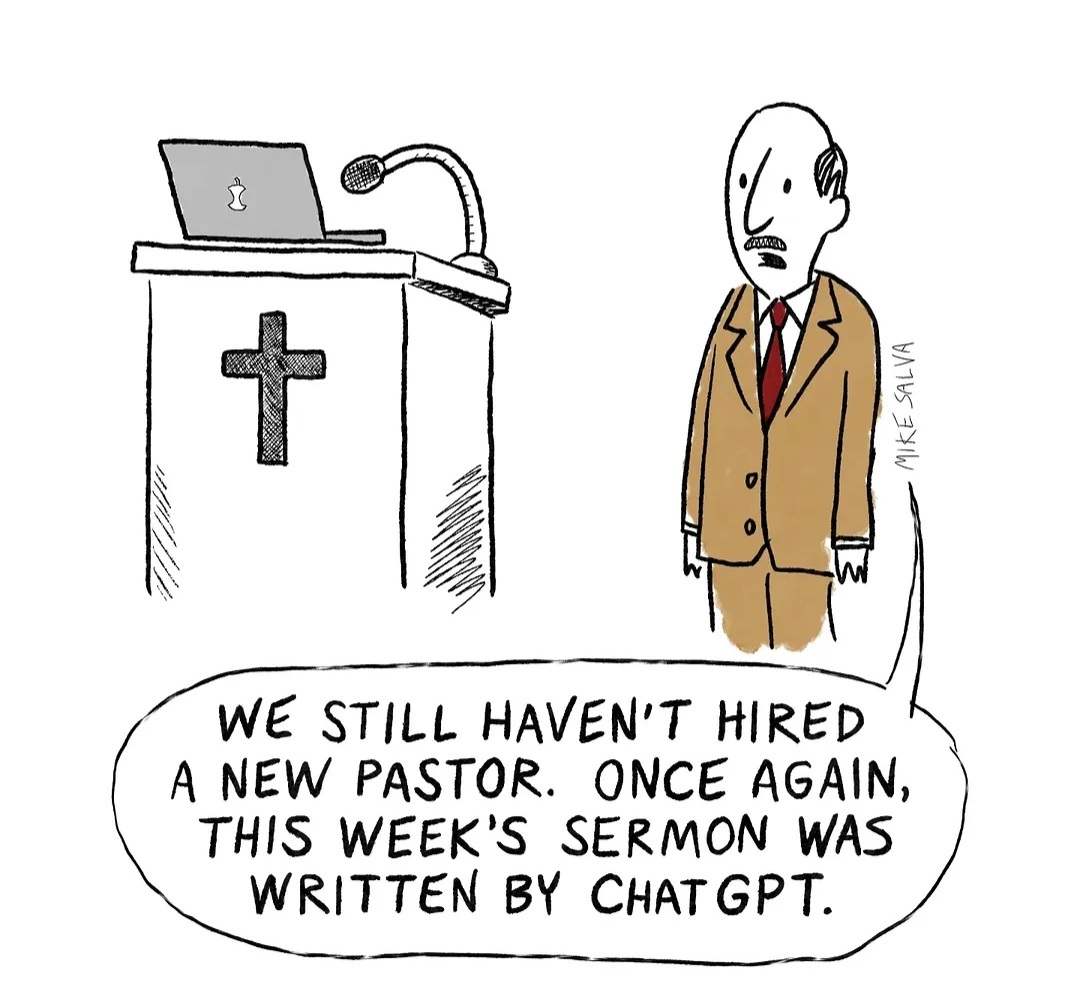
The sermon is basically open-mic time for the priest. They generally offer commentary on the gospel, how it relates with the other readings/psalms of that mass, current events and so on.
With the sermon being what it is, it’s one of the big ways in which a priest can influence their congregation. The priest doesn’t select the gospel, readings, psalms, etc. it’s all published in a book called a Missal, and does not change very often, so they can’t cherry-pick certain passages etc. Given as well that priests are regarded as (in effect) the “messenger from God”, parishioners will often alter their thoughts and behaviours based on these sermons.
Now, that being said, the priest is that church’s “store manager” - hired and appointed by the diocese and is responsible for more than just saying mass, they run the church. Think of what a store manager would do - HR tasks, maintenance, advertising, and so on - is all the head priest’s responsibility. If there was no priest to make a sermon, that church would have been shut down.
Not necessarily the case anymore, at least for the Catholics (and a lot of your descriptions above seem very Catholic). There has been such a priest shortage that they have had to consolidate many rural churches into clusters, with a single priest to administer to all of them. They either stagger mass times so that the priest can travel between them all, or make arrangements for masses to be held without priests.
(Why not just close some churches outright? They are afraid that forcing parishioners to go farther every Sunday might make them leave…)
And yes, they can plan ahead to hold mass without a priest. Most of the parts of a Catholic mass can be done by lay people, if the Priest authorises it. There are also Deacons, who are kind of priest assistants who can be married men, and can do most of the functions of a Catholic mass. Pretty much the only things they strictly need a priest for is certain blessings, including the consecration of communion – but a priest can do this ahead of time if they need to.