That’s the confusing thing, right? But the honeybees that beekeepers manage aren’t necessarily the same bee species that live natively in that area. The european honeybee is the most common bee species to keep because we know how to handle them and how to extract more honey from them. When these bees are introduced to an ecosystem they start competing with already existing pollinators, including native bees that may have different behaviours including preferences for plants, they can have different predators and can impact ecosystems in ways that are different to predict.
The best way to actually help the native bees from my understanding is to stop warming the climate, leave certain parts of nature wild and native (seeding native plants and rewilding) and reduce the use of toxic pesticides as these all contribute to the decline. Something that is toxic enough to potentially cause cancer or hurt humans can also hurt or immediately kill smaller creatures that don’t have as complex immune systems as humans. The most common pesticides we currently use include effects like seizures, eye damage, organ failure, etc for humans and wildlife is continuously and repeatedly exposed to these substances as we cannot really tell them to stay away from farms and fields. Say one wild bee is out exploring in close proximity to an area that is freshly sprayed then brings it home to the hive.
There are all of these different political areas and systems that all affect nature. If you want to help make a positive impact then the most important part is to pick one place to put your energy so it doesn’t get overwhelming. It is all complex and overwhelming for a reason.
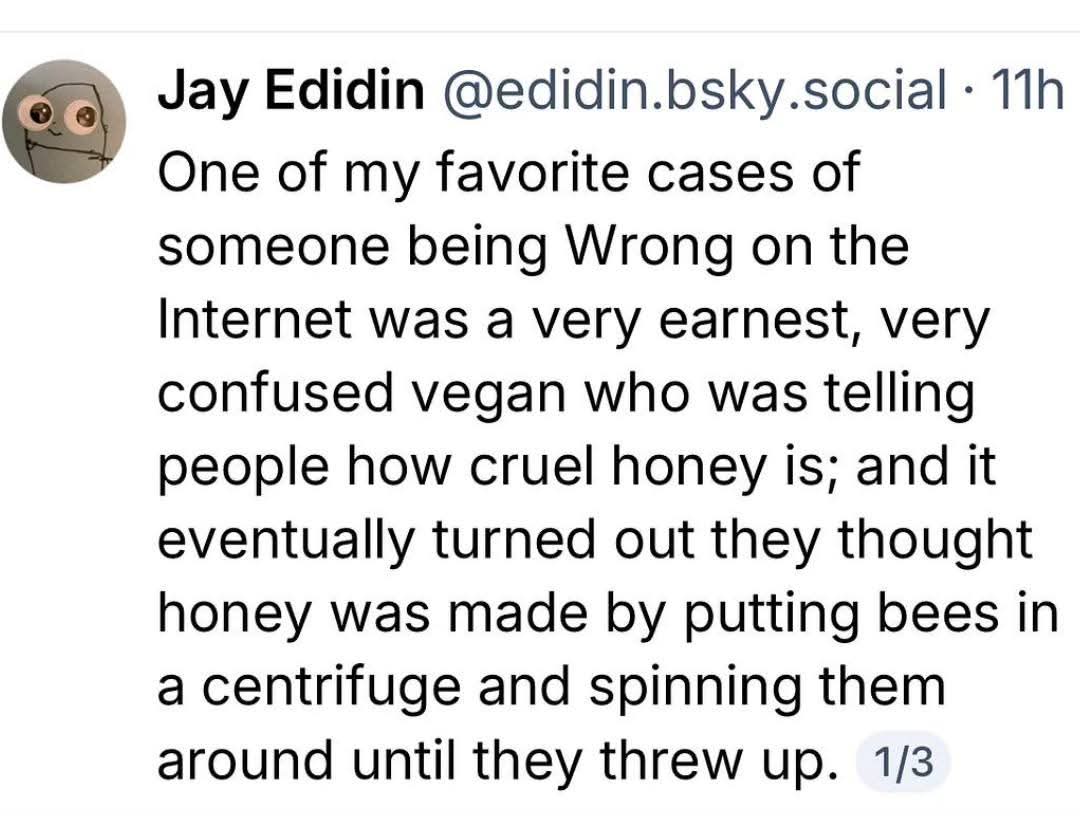
That’s the confusing thing, right? But the honeybees that beekeepers manage aren’t necessarily the same bee species that live natively in that area. The european honeybee is the most common bee species to keep because we know how to handle them and how to extract more honey from them. When these bees are introduced to an ecosystem they start competing with already existing pollinators, including native bees that may have different behaviours including preferences for plants, they can have different predators and can impact ecosystems in ways that are different to predict.
The best way to actually help the native bees from my understanding is to stop warming the climate, leave certain parts of nature wild and native (seeding native plants and rewilding) and reduce the use of toxic pesticides as these all contribute to the decline. Something that is toxic enough to potentially cause cancer or hurt humans can also hurt or immediately kill smaller creatures that don’t have as complex immune systems as humans. The most common pesticides we currently use include effects like seizures, eye damage, organ failure, etc for humans and wildlife is continuously and repeatedly exposed to these substances as we cannot really tell them to stay away from farms and fields. Say one wild bee is out exploring in close proximity to an area that is freshly sprayed then brings it home to the hive.
There are all of these different political areas and systems that all affect nature. If you want to help make a positive impact then the most important part is to pick one place to put your energy so it doesn’t get overwhelming. It is all complex and overwhelming for a reason.