

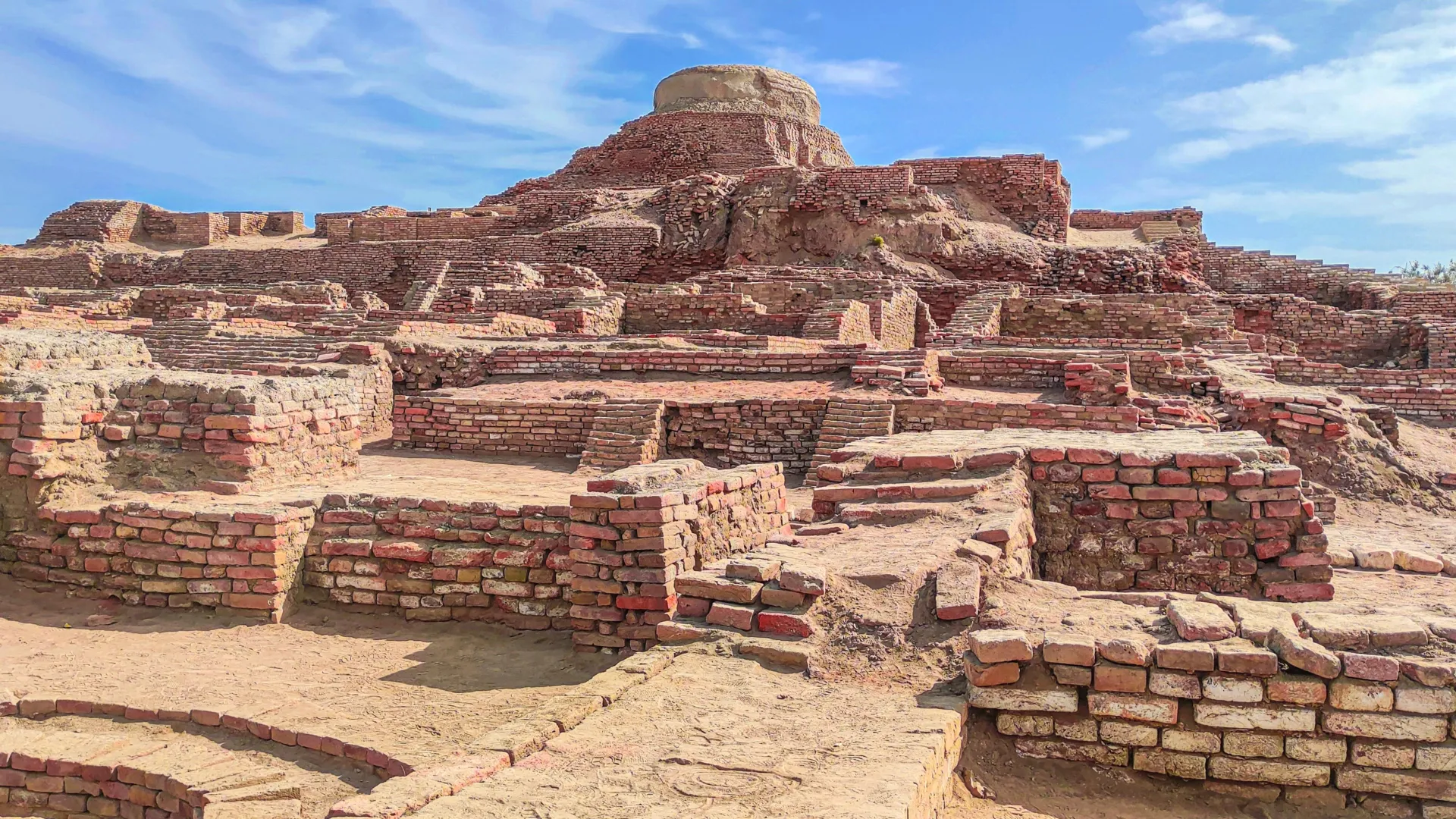
As Mohenjo-daro prospered, the gap between its richest and poorest households actually shrank. Its shared infrastructure, fair trade systems, and lack of powerful royal elites suggest that equality may have helped fuel the ancient city’s success.
As Mohenjo-daro prospered, the gap between its richest and poorest households actually shrank. Its shared infrastructure, fair trade systems, and lack of powerful royal elites suggest that equality may have helped fuel the ancient city’s success.
Only 4000 years ago? That is much more recent than I would have expected (I am familiar with humanity’s egalitarian roots prior to agriculture, but most everything I know about after the adoption of agriculture are societies that were either always hierarchical, or became hierarchical over time). How did they manage to escape notice from the more aggressively imperialist societies long enough to build such a city? How did they manage to police themselves in such a way as to avoid forming a dominance hierarchy themselves? They would have to have had some way of reliably identifying domineering individuals and acting against them in order to actually reverse the inequality trend like that. How did they ultimately fall?
Also, do you happen to have a link/citation for the academic paper that this article is referencing? I don’t even see the name mentioned in the article text - only the author and university.
https://www.cambridge.org/core/journals/antiquity/article/inequality-declined-in-the-bronze-age-city-of-mohenjodaro/BF07ED4E516F2127F1C3E645C9C8F462